Aging Myth: Decline Is Not Inevitable
Health, Aging Myths, Longevity
Aging Myth: Why Decline Is Not Inevitable – And What You Can Do About It
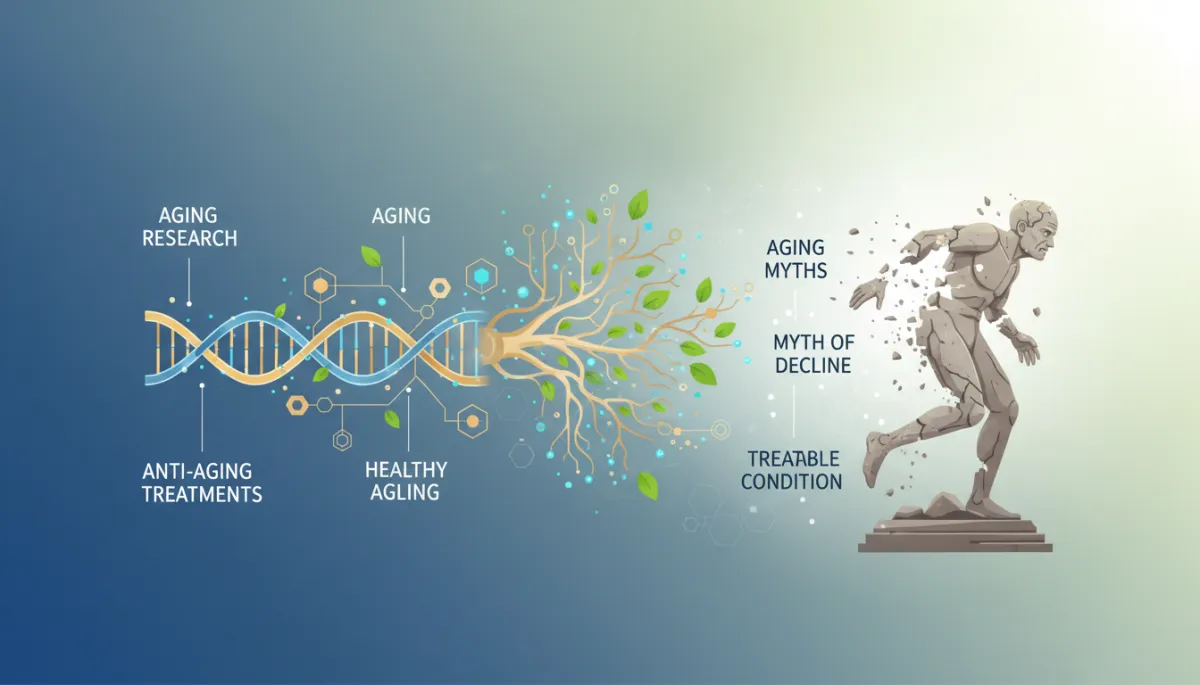
For generations we’ve been told that getting older means shrinking, slowing down, and surrendering to disease. But a growing body of science is rewriting the story. The Myth Of Decline is being challenged by compelling Aging Research that suggests much of what we call “aging” is not an unstoppable fate, but a treatable, and in some cases reversible, process.
The Biggest Aging Myths We Still Believe
Many of our fears about getting older come from powerful but outdated Aging Myths. These stories shape how we behave long before we reach our later decades. When you believe decline is guaranteed, it’s easy to accept aches, fatigue, and forgetfulness as “just age,” instead of asking whether they are preventable or treatable. Let’s look at three of the most common myths about the Aging Process.
Myth 1: “Aging equals disease.” We often lump arthritis, heart disease, diabetes, and dementia together as “old age.” In reality, these are specific diseases influenced by lifestyle, environment, and genetics. Age increases risk, but does not guarantee any of them.
Myth 2: “It’s too late to change after 60.” Large studies show people who improve diet, movement, and sleep in their 60s, 70s, and even 80s still gain years of life and function. The body remains responsive to change far longer than we once believed.
Myth 3: “Your parents’ health is your destiny.” Genetics matter, but they are not the whole story. Research suggests genes may account for only 20–30% of how long we live. The rest comes from behavior, environment, and emerging Anti-aging Treatments.
📌 Key Takeaway: The narrative of inevitable decline is not a scientific law; it’s a cultural habit. Changing the story you believe about aging is the first step toward Healthy Aging.
Uncover the Truth: Watch Our "10-Year Medical Lag" Video
This article has challenged the pervasive myth of inevitable biological decline and highlighted the critical gap between cutting-edge longevity science and standard medical practice. To visually grasp the systemic flaws, understand why your doctor might be 10 years behind the science, and discover how to bypass this medical lag for true health optimization, we invite you to watch our in-depth video investigation.
Aging a Disease – Or a Treatable Condition?
A radical idea is gaining traction in laboratories and medical conferences: aging itself behaves like a disease process. That doesn’t mean growing older is abnormal. It means the biological changes that lead to frailty and chronic illness follow patterns we can measure, slow, and sometimes reverse. This is where modern Aging Research becomes so important for anyone who wants to understand the truth about aging, not just the folklore.
Scientists now talk about the “hallmarks of aging” – shared mechanisms that drive damage in cells and tissues. These include DNA damage, chronic low-grade inflammation, loss of stem cell function, and the buildup of “senescent” cells that no longer work properly but refuse to die. None of these changes are mystical. They are observable, measurable, and – crucially – modifiable.
“If something can be measured and modified, it can be treated. Aging is no exception.”
— Paraphrased from leading geroscience researchers
What the Data Really Says About the Aging Process
To move beyond Aging Myths, we need to look at data, not anecdotes. Over the last few decades, several large studies have tracked how people age and what predicts longer, healthier lives. Their findings dismantle the idea that decline is guaranteed.
Disability is being delayed, not just death. In many countries, people are not only living longer; they’re spending more years free of disability. Some analyses show the average age of serious disability has been pushed back by 5–10 years compared with previous generations, largely through better prevention and treatment of chronic disease.
Exercise changes cellular aging markers. Studies of older adults who begin regular physical activity show improvements in mitochondrial function, muscle strength, and even the length of telomeres – protective DNA caps associated with cellular aging. These changes occur in people well into their 70s and 80s, contradicting the belief that “it’s too late.”
Metabolic health is highly responsive. In trials where older adults adopt healthier eating patterns, lose modest amounts of weight, or improve sleep, markers like blood sugar, blood pressure, and inflammation often improve within weeks to months – all of which slow the Aging Process and lower disease risk.
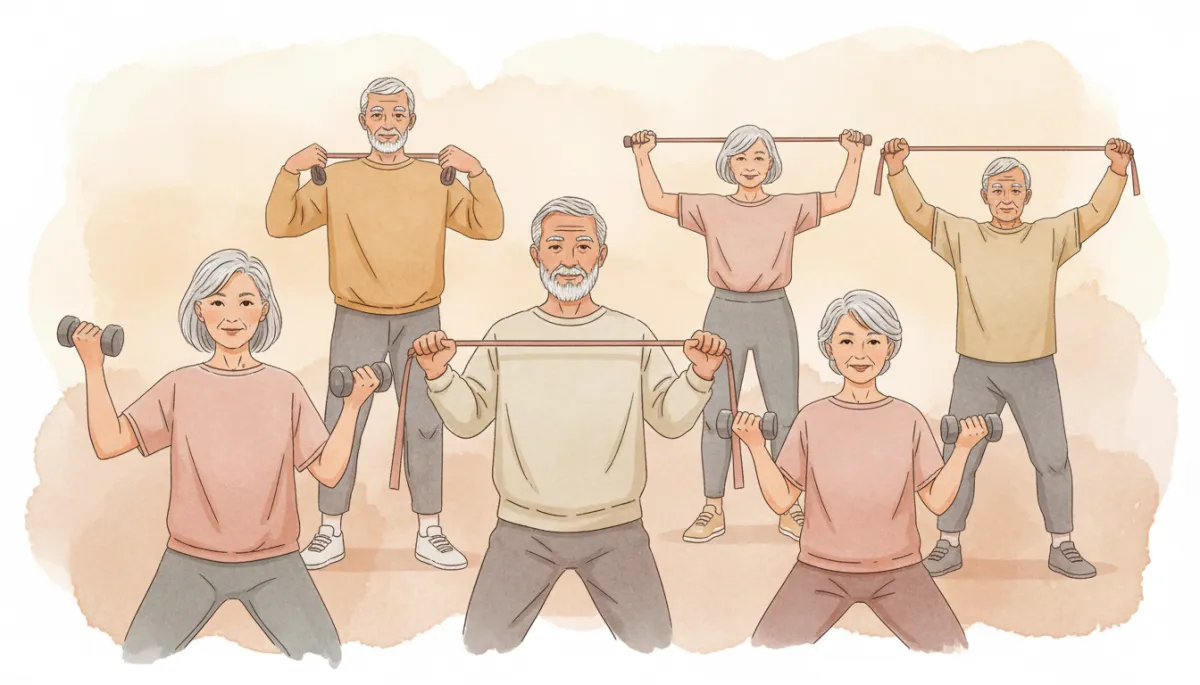
Even late-life strength and movement training can reverse years of functional decline.
From Cosmetics to Cells: What “Anti-aging Treatments” Really Mean
The phrase Anti-aging Treatments is often used to sell creams and quick fixes. But in the scientific world, it has a very different meaning. True anti-aging interventions aim to change the underlying biology of aging, not just the surface appearance. For individuals genuinely interested in the truth about aging, this distinction matters.
Lifestyle as a First-Line Treatment for Aging
Before we talk about pills and procedures, it’s important to recognize that certain habits function like powerful, low-cost anti-aging therapies. They directly influence the hallmarks of aging and are supported by decades of data:
Movement as medicine. Regular strength and aerobic training maintain muscle mass, protect brain function, and support metabolic health. In some trials, exercise alone has been as effective as medication in reducing risk for heart disease and type 2 diabetes, two major drivers of late-life decline.
Nourishing, not punishing, nutrition. Diet patterns rich in vegetables, fruits, whole grains, legumes, healthy fats, and adequate protein are consistently linked with lower rates of chronic disease and better physical function in older adults. These foods reduce inflammation and oxidative stress – key players in the Aging Process.
Sleep and stress as longevity levers. Chronic sleep deprivation and unmanaged stress accelerate biological aging by disrupting hormones, raising inflammation, and impairing repair processes. In contrast, good sleep and stress-regulation practices – from simple breathing exercises to therapy – help maintain resilience at every age.
💡 Pro Tip: If a supposed anti-aging solution ignores movement, nutrition, sleep, and stress, it’s likely targeting your wallet more than your longevity.
Emerging Medical Approaches to Treating Aging
Beyond lifestyle, researchers are testing medical interventions that address aging at its roots. While many are still in early stages, they illustrate why more scientists now describe aging as a treatable condition rather than an untouchable fate.
Senolytics: These experimental drugs aim to clear senescent cells – damaged cells that accumulate with age and secrete harmful chemicals. In animal studies, senolytics have improved physical function and extended healthy lifespan. Early human trials are underway to see if similar benefits appear in people with age-related conditions like osteoarthritis or lung disease.
Metabolic regulators: Medications such as metformin, originally developed for diabetes, are being studied for broader anti-aging effects. Observational data suggest people on metformin may have lower rates of several age-related diseases, prompting large trials to test its impact on overall healthspan.
Cell and gene therapies: Advanced techniques are being explored to rejuvenate stem cells, repair damaged DNA, or reset cellular “age clocks.” While still largely experimental and not ready for everyday use, they highlight how far the science of Aging Research has moved beyond resignation to decline.
⚠️ Warning: Many commercial products borrow the language of cutting-edge Aging Research without the evidence to back their claims. Always look for well-designed human studies, not just animal data or testimonials.
Healthy Aging: Practical Steps to Treat Aging in Daily Life
If aging is at least partly treatable, what can you do today? You don’t need a lab or a luxury clinic. You need a clear strategy, grounded in evidence, that respects both biology and your real life. Think of these as core pillars of Healthy Aging that directly challenge the Myth Of Decline.
1. Protect and Build Muscle – Your Longevity Reserve
Muscle is one of the best predictors of independence and survival in later life. Loss of muscle, known as sarcopenia, is often blamed on age alone, but inactivity and low protein intake play huge roles. Resistance training just two to three times per week can increase strength and muscle size in people in their 70s, 80s, and beyond. This is a direct, practical way to treat one of the most visible aspects of the Aging Process.
2. Train Your Heart and Lungs – Not Just Your Calendar
Cardiovascular fitness is strongly linked with lower risk of dementia, heart disease, and early death. Moderate-intensity activities – brisk walking, cycling, swimming – done most days of the week can improve heart and lung capacity, even in people who start later in life. These improvements translate into more energy, better mood, and a slower biological aging rate.
3. Eat for Repair, Not Restriction
Extreme diets and quick fixes often do more harm than good. For Healthy Aging, focus on patterns that have consistently lowered disease risk in research: generous plants, adequate protein, healthy fats, and minimal ultra-processed foods. Think Mediterranean-style meals, traditional Japanese patterns, or other whole-food-based approaches. These ways of eating support the body’s repair mechanisms instead of overwhelming them.
4. Guard Your Brain Through Learning and Connection
Another persistent Aging Myth is that cognitive decline is unavoidable. While some changes in processing speed are normal, large declines in memory and function are not guaranteed. Brain imaging studies show that continued learning, social engagement, and purposeful activity help maintain neural connections and may delay or reduce dementia risk. Treat your brain like a muscle: use it, challenge it, and connect it with others.
5. Partner With Healthcare, Don’t Just Visit It
Regular check-ups, appropriate screening tests, and early treatment of conditions like high blood pressure or prediabetes are powerful but often overlooked Anti-aging Treatments. They don’t just manage disease; they prevent the cascade of complications that create the appearance of sudden decline. Ask your clinician about strategies to extend your “healthspan” – the years you live in good health – not just your lifespan.
📌 Key Takeaway: Treating aging doesn’t mean chasing immortality. It means using proven tools to extend the number of years you can live with energy, clarity, and independence.
Why the Myth Of Decline Is So Persistent – And How to Let It Go
If the science is so hopeful, why do gloomy Aging Myths still dominate? Partly because stories are powerful. Many of us grew up hearing older relatives say “I’m falling apart” or “Wait until you’re my age.” Media often reinforces this with images of frailty instead of capability. Even well-meaning doctors sometimes dismiss symptoms as “just age,” unintentionally closing the door on treatment options.
Letting go of the Myth Of Decline doesn’t mean pretending aging is easy or that everyone will age the same way. It means recognizing the difference between what is inevitable – the passing of time – and what is optional – much of the suffering we associate with that time. As Aging Research evolves, we have more tools than ever to shape our later years. But those tools only help if we believe change is possible and act accordingly.
Becoming an Informed Participant in Your Own Aging
This article is aimed at individuals who want to understand the truth about aging, not just accept hand-me-down beliefs. If that’s you, consider yourself part of a quiet revolution. Instead of viewing aging as a cliff, you can see it as a landscape – one you can navigate with intention, knowledge, and support.
Stay curious about new findings, but skeptical of hype. Real breakthroughs in Anti-aging Treatments will be supported by rigorous trials, not dramatic headlines alone.
Have honest conversations with your healthcare providers about your goals for energy, mobility, and cognition, not just disease prevention. Ask what evidence-based steps can move you closer to those goals.
Surround yourself with examples of Healthy Aging – people, stories, and communities that model possibility instead of decline. What you see repeatedly shapes what you believe is realistic for you.
The New Story of Aging: Treatable, Shapeable, Deeply Human
Aging will always involve change, and not every outcome is under our control. But the old narrative – that growing older is nothing more than a slow, unavoidable slide into decline – no longer fits the evidence. We now know that:
Many aspects of the Aging Process are measurable and modifiable.
Lifestyle choices act as powerful, accessible treatments for aging biology.
Emerging therapies are beginning to target aging itself, not just individual diseases.
The challenge – and opportunity – is to align your daily life with this new understanding. That might mean starting a strength-training routine, rethinking your meals, prioritizing sleep, or simply refusing to write off new aches as “just age” without asking questions. Each of these actions is a small but meaningful way to treat aging as a condition you can influence, not a verdict you must obey.
Ultimately, confronting Aging Myths is not about denying the reality of time. It’s about reclaiming your role in how that time is lived. When you see aging as treatable and shapeable, you open the door to a future in which more years can be vibrant, connected, and deeply human – not in spite of age, but with it.