
Biological Age: Epigenetic Clocks & Aging Better
Health, Biological Age, Cellular Aging
Biological Age: How Epigenetic Clocks and Lifestyle Interventions Can Help You Age Better
Your birth certificate tells you how many years you have lived, but it doesn’t reveal how old your body truly is. That deeper story is written in your Biological Age—a powerful measure of how fast your cells are wearing down and how effectively you are aging. Thanks to modern science, especially Epigenetic Clocks, we can now measure aging naturally and even identify lifestyle interventions that may help slow, or in some cases reverse aging at the cellular level.
Biological Age vs. Chronological Age: Why the Difference Matters
Chronological age is simple: it is the number of years since you were born. Biological Age, however, reflects how well your body is functioning compared with the average person of your chronological age. If your organs, blood vessels, and cells look and behave “younger” than expected, your Biological Age is younger. If they show more wear and tear, your Biological Age is older.
Research consistently shows that a younger Biological Age is associated with lower risk of chronic diseases, better physical performance, sharper cognition, and longer life expectancy. In other words, your Biological Age is a more meaningful indicator of health than the number on your birthday cake. This is why people are increasingly looking for ways to measure aging naturally and to adopt lifestyle interventions that support healthier cellular aging.
What Are Epigenetic Clocks?
To understand Epigenetic Clocks, it helps to start with your DNA. Every cell in your body carries essentially the same genetic code, but not every gene is switched on at the same time. The system that controls which genes are active is called the epigenome—a layer of chemical “tags” that sit on your DNA and influence how it is read, without changing the underlying genetic sequence itself.
One of the most studied epigenetic marks is DNA methylation. Over time, patterns of DNA methylation shift in predictable ways as we age. Scientists realized that by measuring methylation at specific sites across the genome, they could build mathematical models—called Epigenetic Clocks—that estimate a person’s Biological Age with surprising accuracy. Famous examples include the Horvath clock, Hannum clock, and more recent “second-generation” clocks, such as GrimAge and PhenoAge, which are better linked to disease risk and mortality.
When your Epigenetic Clock indicates an age older than your chronological age, it suggests accelerated cellular aging. When it shows a younger age, it suggests slower aging and potentially reduced risk for age-related conditions. This new ability to quantify cellular aging has transformed aging research—and it is beginning to guide personal health decisions as well.
📌 Key Takeaway: Epigenetic Clocks use DNA methylation patterns to estimate your Biological Age, offering a powerful window into how fast—or how slowly—your body is actually aging.
How Epigenetic Clocks Measure Aging Naturally
Most Epigenetic Clock tests require only a small blood, saliva, or cheek swab sample. The lab measures methylation levels at hundreds of thousands of sites along your DNA and runs them through a validated algorithm to estimate your Biological Age. Because methylation is influenced by environment, lifestyle, and internal physiology, these clocks provide a way to measure aging naturally, reflecting the cumulative impact of your daily choices and exposures over time.
Importantly, Epigenetic Clocks are not static. Studies show that when people adopt certain lifestyle interventions, their epigenetic age can slow down—and in some trials, even decrease—relative to their chronological age. That means your Biological Age is not fixed; it is dynamic and, to some extent, modifiable. This offers genuine hope for those interested in strategies to reverse aging or at least slow the march of cellular aging.
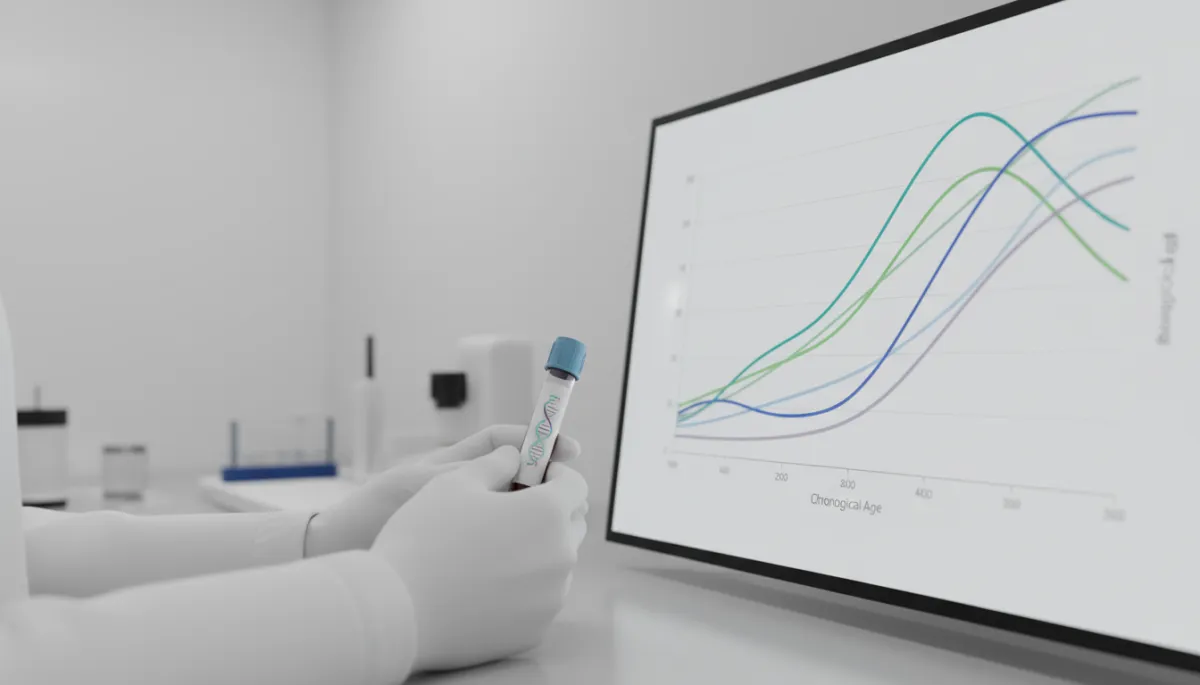
Epigenetic clocks translate DNA methylation patterns into an estimate of your true biological age.
The Biology of Cellular Aging: Why Lifestyle Matters So Much
Aging is not driven by a single mechanism. Instead, scientists describe multiple “hallmarks” of aging, including genomic instability, telomere shortening, mitochondrial dysfunction, chronic inflammation, and loss of proteostasis (the cell’s ability to maintain healthy proteins). These processes interact and gradually erode the resilience of your tissues and organs, driving cellular aging and increasing disease risk.
Lifestyle factors—what you eat, how you move, how you sleep, and how you manage stress—have a profound impact on many of these hallmarks. They influence inflammation, oxidative stress, metabolic health, and hormone balance, all of which leave signatures in your epigenome that are captured by Epigenetic Clocks. This is why targeted lifestyle interventions can shift your Biological Age in a favorable direction and are central to any realistic plan to reverse aging or slow it down.
Lifestyle Interventions Proven to Slow Cellular Aging
While no lifestyle plan can make you immortal, a growing body of research shows that specific habits can slow, and sometimes partially reverse aging at the level of Biological Age. Below are some of the best-supported lifestyle interventions for healthier cellular aging, many of which have been linked directly to improvements in Epigenetic Clocks.
1. A Plant-Rich, Anti-Inflammatory Diet
Diet is one of the most potent levers you have to influence Biological Age. Patterns like the Mediterranean diet—rich in vegetables, fruits, legumes, whole grains, nuts, olive oil, herbs, and moderate fish—are consistently associated with lower rates of heart disease, diabetes, and cognitive decline. These diets provide antioxidants, polyphenols, fiber, and healthy fats that reduce oxidative stress and chronic inflammation, two major drivers of cellular aging.
In one small but influential clinical trial, participants followed a nutrient-dense, plant-forward diet along with other lifestyle changes for eight weeks. Their Epigenetic Clock readings suggested an average reduction of Biological Age by over three years compared with a control group. While more research is needed, this study supports the idea that targeted nutrition can help reverse aging markers, not just slow them.
Emphasize colorful vegetables and fruits (aim for several servings daily).
Choose whole, minimally processed foods over refined products.
Prioritize healthy fats like extra virgin olive oil, nuts, and seeds.
Limit added sugars, refined flour, and ultra-processed snacks that fuel inflammation.
💡 Pro Tip: Instead of thinking “diet,” think “daily pattern.” Small, sustainable changes in what you eat every day have far more impact on Biological Age than short-term extremes.
2. Regular Physical Activity and Strength Training
Movement is one of the most reliable ways to slow cellular aging. People who are physically active tend to have longer telomeres, better mitochondrial function, and lower levels of inflammatory markers. Exercise also influences DNA methylation patterns, which is why physically active individuals often show younger ages on Epigenetic Clocks.
Aerobic exercise: Brisk walking, cycling, swimming, or jogging for at least 150 minutes per week supports heart health, metabolic function, and brain health.
Strength training: Two or more sessions per week help maintain muscle mass, bone density, and insulin sensitivity—all key for a younger Biological Age.
Everyday movement: Reducing prolonged sitting time and building in light activity throughout the day also supports healthier cellular aging.
3. Sleep Quality and Circadian Rhythm Alignment
Sleep is when your body performs much of its repair and housekeeping. Chronic sleep deprivation or irregular sleep schedules disrupt hormone balance, increase inflammation, and alter gene expression patterns. Several studies link poor sleep with faster cellular aging and worse scores on Epigenetic Clocks.
Aim for 7–9 hours of consistent, good-quality sleep per night.
Keep a regular sleep–wake schedule, even on weekends, to support your circadian rhythm.
Limit bright screens and heavy meals close to bedtime, and create a dark, cool, quiet sleep environment.
4. Stress Management and Emotional Health
Chronic psychological stress is one of the most underestimated accelerators of cellular aging. Long-term elevation of stress hormones like cortisol contributes to inflammation, insulin resistance, and changes in DNA methylation patterns captured by Epigenetic Clocks. People with high levels of perceived stress often show older Biological Ages than their less-stressed peers.
Fortunately, stress is modifiable. Mind–body practices such as meditation, yoga, breathing exercises, and tai chi have been shown to lower stress markers and improve well-being. Social connection, meaningful work or hobbies, and therapy or coaching can also support emotional resilience and, in turn, healthier cellular aging.
Try 5–10 minutes of daily mindfulness or breathing practice to calm the nervous system.
Prioritize relationships and social time; loneliness is strongly linked to worse health outcomes and faster aging.
5. Metabolic Health: Blood Sugar, Weight, and Insulin Sensitivity
Poor metabolic health—characterized by elevated blood sugar, insulin resistance, abdominal fat, and abnormal lipids—dramatically accelerates cellular aging. Advanced glycation end products (AGEs), oxidative stress, and chronic inflammation damage tissues and are reflected in faster ticking of Epigenetic Clocks.
Strategies that improve metabolic health, such as reducing added sugars, controlling portion sizes, increasing fiber intake, and incorporating regular movement, are central to any plan to lower Biological Age. Some research also suggests that time-restricted eating or intermittent fasting may positively impact markers of cellular aging, though these approaches are not suitable for everyone and should be personalized.
6. Avoiding Toxins: Smoking, Excess Alcohol, and Pollution
Certain exposures dramatically speed up cellular aging. Smoking, for example, is strongly associated with older epigenetic age and higher risk of nearly every major chronic disease. Excessive alcohol intake also damages tissues and is linked to faster ticking of Epigenetic Clocks. While you cannot control all environmental toxins, you can reduce your exposure where possible.
If you smoke, seeking support to quit is one of the most powerful lifestyle interventions to improve Biological Age.
Keep alcohol intake moderate or minimal, following medical guidance tailored to you.
When feasible, use air filtration indoors and choose cleaner household products to reduce unnecessary chemical exposures.
Can We Really Reverse Aging?
The phrase reverse aging can sound like science fiction, but in the context of Biological Age and Epigenetic Clocks it has a specific meaning. It does not mean turning back time in every cell, but rather slowing or partially reversing measurable markers of cellular aging so that your body functions more like that of a younger person.
Several small human studies, and many animal experiments, show that intensive lifestyle interventions can reduce epigenetic age relative to chronological age. These changes are often modest—a few years rather than decades—but they are meaningful when it comes to disease risk and quality of life. The earlier you start and the more consistently you apply healthy habits, the greater your potential benefit over the lifespan.
“You cannot change when you were born, but you can influence how fast you age from this moment forward.”
How to Use Biological Age Testing Wisely
Commercial tests that estimate Biological Age using Epigenetic Clocks are becoming more accessible. If you choose to use one, it is important to view the result as a starting point, not a verdict. Your Biological Age is a snapshot of how your body is doing today, and it can change with your habits and environment.
Use the result as motivation to adopt or strengthen healthy lifestyle interventions, not as a reason for fear or fatalism.
Retest only after giving your body time to respond—typically 6–12 months of consistent change—if you want to see whether your Biological Age is shifting.
Always interpret results in consultation with a qualified health professional, especially if you have underlying medical conditions.
⚠️ Warning: Biological Age tests are powerful tools, but they are not diagnostic on their own. Do not ignore conventional medical checkups, screenings, or advice based solely on an epigenetic age score.
Putting It All Together: A Practical Plan to Support a Younger Biological Age
You don’t need to overhaul your life overnight to influence cellular aging. Instead, focus on building a foundation of realistic, sustainable habits that collectively nudge your Epigenetic Clocks in a younger direction. Here is a simple framework you can adapt:
Audit your current lifestyle. Take an honest look at your diet, activity, sleep, stress, and toxin exposures. Where do you see the biggest gaps between what you are doing and what you know supports a younger Biological Age?
Choose 2–3 high-impact changes. For many people, this might mean adding a daily 30-minute walk, swapping sugary drinks for water or herbal tea, and setting a consistent bedtime.
Track how you feel. While Epigenetic Clock testing can help measure aging naturally, your energy, mood, and physical performance are also valuable indicators that your lifestyle interventions are working.
Layer in additional habits over time. Once your first changes feel automatic, consider adding strength training, a simple mindfulness practice, or more home-cooked meals.
The Future of Aging: From Chronological to Biological Thinking
As science advances, our understanding of Biological Age, Epigenetic Clocks, and cellular aging will continue to deepen. New tests, targeted therapies, and personalized programs are already emerging. But even as cutting-edge options develop, the foundations of healthy aging remain remarkably consistent: nourishing food, regular movement, restorative sleep, emotional balance, and reduced exposure to toxins.
You cannot control every factor that shapes your lifespan, but you have tremendous influence over your healthspan—the years of life spent in good health, free from major disease. By focusing on evidence-based lifestyle interventions that support a younger Biological Age, you are not just adding years to your life; you are improving the quality of those years. That is the true promise of using Epigenetic Clocks to measure aging naturally and guide smarter, more intentional choices.
Aging is inevitable, but how you age is, to a significant extent, up to you. Starting today, you can choose habits that help your cells stay younger for longer—and your future self will thank you.