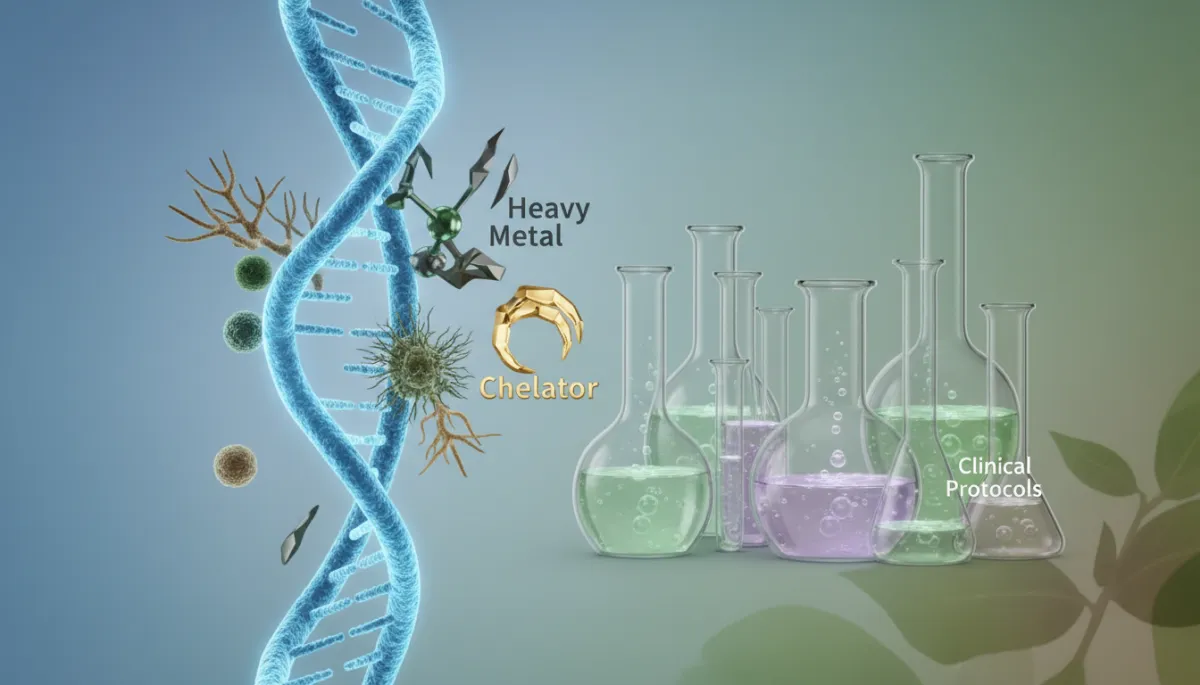
Heavy Metal and Mold Detox: Beyond Juice Cleanses
Health, Detoxification, Environmental Toxins
The Science of Heavy Metal and Mold Detox: Clinical Protocols That Go Beyond Juice Cleanses
Detoxification is often marketed as a weekend juice cleanse or a trendy supplement stack. Yet true detox, especially for Heavy Metals and mold-related toxins, is a complex, clinical process that demands science, strategy, and medical oversight. This in-depth guide explores how evidence-based Clinical Protocols tackle Environmental Toxins, from assessment to Chelation Therapy and beyond.
Why Modern Detoxification Must Address Environmental Toxins
Our grandparents were not exposed to the same level of Environmental Toxins that we encounter today. Industrial pollution, pesticides, dental amalgams, contaminated water, building materials, and water-damaged homes all contribute to a growing toxic burden. While the body has sophisticated Detoxification systems in the liver, kidneys, gut, skin, and lungs, these pathways can become overwhelmed when exposures are chronic or intense.
Heavy Metals such as mercury, lead, arsenic, and cadmium can accumulate in tissues over decades. Mycotoxins—chemical byproducts of mold—can persist in the body long after a person leaves a moldy building. Unlike short-lived dietary excesses, these compounds are fat-soluble, bioaccumulative, and capable of disrupting hormones, mitochondria, and the nervous system. This is why superficial approaches like short juice cleanses rarely create meaningful change for people dealing with metal or mold toxicity.
The Biology of Heavy Metal Detox: How Metals Behave in the Body
Heavy Metals exert their toxicity largely by binding to proteins and enzymes, displacing essential minerals, and generating oxidative stress. For example, mercury has a high affinity for sulfur-containing groups in proteins, impairing enzymes involved in energy production and antioxidant defense. Lead can interfere with heme synthesis, contributing to anemia and neurological symptoms. Because these metals can lodge in the brain, bones, liver, and kidneys, they are not easily mobilized or excreted without targeted Detoxification strategies.
The body does have innate ways to remove metals—primarily through bile, urine, sweat, and stool—but this process is slow. Moreover, if a person is mineral-deficient, inflamed, or has impaired liver or kidney function, metals may circulate and re-deposit instead of being eliminated. Effective Clinical Protocols therefore aim to support natural detox pathways while carefully using agents that bind and escort metals out of the body safely.
Mold, Mycotoxins, and the Need for Targeted Mold Removal
Mold exposure is not just about visible spores on a wall. Certain indoor molds release mycotoxins—small, fat-soluble molecules that can be inhaled, ingested, or absorbed through the skin. In susceptible individuals, these toxins can trigger chronic fatigue, brain fog, sinus issues, respiratory symptoms, and immune dysregulation. Unlike allergies, which are immune reactions to proteins, mycotoxins act more like chemical poisons that require active Mold Removal strategies both from the environment and from the body.
Mycotoxins can recirculate through enterohepatic circulation—moving from the liver into the bile, into the gut, and back into the bloodstream if they are not bound and excreted. This is why many Clinical Protocols for mold focus on disrupting this cycle using binders, gut support, and liver support, alongside environmental remediation to prevent ongoing exposure.
Beyond Juice Cleanses: Why Quick Fixes Fall Short
Popular detox trends—like three-day juice fasts, extreme calorie restriction, or single “detox teas”—may temporarily lighten your digestive load, but they do little to address stored Heavy Metals or mycotoxins. In some cases, aggressive fasting without proper nutrient support can even backfire, mobilizing toxins from fat stores without providing the minerals, amino acids, and antioxidants needed to process and excrete them. Symptoms such as headaches, fatigue, and irritability may be mistaken for “healing crises,” when in reality they can signal poor detox capacity and increased toxic stress.
Science-based Detoxification is less about dramatic short-term cleanses and more about a structured, phased approach. This typically includes assessment, preparation, active detox (such as Chelation Therapy or mycotoxin binding), and long-term maintenance. Each step is personalized based on a person’s exposures, genetics, organ function, and symptom profile, making Clinical Protocols fundamentally different from one-size-fits-all detox fads.
Structured detox plans integrate lab testing, nutrients, binders, and chelation in defined phases.
Step One: Assessment and Testing for Environmental Toxins
Any responsible detox program begins with a thorough history and appropriate testing. Clinicians will often explore dental history (for mercury amalgams), occupational exposures, hobbies (such as shooting or ceramics, which can involve lead), water sources, and home or workplace mold history. Symptom questionnaires and physical exams help determine which systems are most affected—neurological, hormonal, immune, or gastrointestinal.
Laboratory tests can include blood, urine, and sometimes hair analysis for Heavy Metals. For mold-related illness, clinicians may use urine mycotoxin tests, inflammatory markers, and assessments of immune function. While no test is perfect, combining clinical judgment with targeted testing allows practitioners to design Detoxification strategies that match the individual’s toxic load and resilience, rather than guessing or relying on generic cleanse kits.
Step Two: Preparation — Strengthening the Body Before Active Detox
Before any aggressive Heavy Metal or Mold Removal begins, Clinical Protocols emphasize preparation. This phase is essential to prevent “mobilize but don’t eliminate” scenarios, where toxins are stirred up but not fully excreted. Preparation typically focuses on four pillars: nutrition, gut health, drainage pathways, and mineral balance.
Nutrition: Adequate protein provides amino acids for liver detox pathways, while colorful vegetables supply antioxidants and phytonutrients. Healthy fats support bile flow and help transport fat-soluble toxins toward excretion.
Gut Health: Regular bowel movements are non-negotiable. Fiber, probiotics, and hydration ensure that toxins released into the gut can exit rather than being reabsorbed.
Drainage Pathways: Supporting liver, lymph, kidneys, and skin through gentle strategies—such as sauna, movement, and adequate hydration—prepares the body for more intensive detox work.
Mineral Balance: Because Chelation Therapy can remove beneficial minerals along with toxic metals, repleting magnesium, zinc, selenium, and other trace elements ahead of time helps maintain resilience.
Chelation Therapy: The Clinical Cornerstone of Heavy Metal Detox
Chelation Therapy is a medical procedure that uses specific molecules—chelating agents—to bind Heavy Metals so they can be excreted in urine or bile. These agents have chemical structures that “grab” metals more strongly than the body’s own tissues do, effectively pulling them into circulation and out through detox pathways. This approach is very different from herbal cleanses or general antioxidants; it is targeted, potent, and must be supervised by a trained practitioner.
Common chelators include EDTA (often used for lead), DMSA, and DMPS. They may be administered orally, intravenously, or occasionally transdermally, depending on the Clinical Protocols in use and the patient’s needs. Dosing schedules vary, but a cyclical approach is typical—periods of chelation followed by rest and replenishment. This allows the body to recover, restore minerals, and process the mobilized toxins without overwhelming the kidneys or liver.
⚠️ Warning: Chelation Therapy should never be self-administered using over-the-counter products without professional guidance. Incorrect dosing or timing can worsen symptoms by redistributing metals to sensitive organs.
Clinical Protocols for Chelation: A Phased, Personalized Approach
In practice, Chelation Therapy is rarely a single intervention. It is embedded in comprehensive Clinical Protocols that may span months or even years, depending on the level of Heavy Metal burden. A typical structure might include:
Baseline testing and organ function assessment to ensure kidneys, liver, and electrolytes are stable enough for chelation.
Test dose or challenge test with a chelator to evaluate how the body mobilizes metals and to refine dosing.
Cycled treatment sessions (for example, several days on chelating agents followed by a rest period), supported with minerals, antioxidants like glutathione and vitamin C, and hydration.
Regular monitoring of symptoms, kidney and liver markers, and sometimes repeat metal testing to track progress and adjust the protocol.
Because every individual’s toxic load, genetics, and resilience are different, Chelation Therapy is not a copy-and-paste solution. Some people tolerate faster cycles, while others require slow, gentle pacing with long rest phases. The art of clinical detox lies in matching the intensity of treatment to the body’s capacity to adapt and heal.
Mold Removal from the Body: Binders, Bile Flow, and Beyond
While Chelation Therapy is central for metals, Mold Removal relies more heavily on binders and bile support. Binders are substances that sit in the gut and physically attach to mycotoxins, preventing them from being reabsorbed. Common binders used in Clinical Protocols include cholestyramine, activated charcoal, bentonite clay, and certain types of fiber. Each has a slightly different binding profile and may be chosen based on the specific mycotoxins detected in testing.
Because many mycotoxins exit via bile, supporting bile production and flow is crucial. Nutrients such as phosphatidylcholine, taurine, and bitters may be used to encourage healthy bile dynamics. At the same time, clinicians often support glutathione production—either through precursors like N-acetylcysteine or through direct supplementation—to help the liver process the oxidative stress associated with mold-related illness. Again, hydration, regular bowel movements, and a nutrient-dense diet remain foundational throughout the process.
Environmental Mold Removal: Fixing the Source, Not Just the Symptoms
No amount of internal detox will succeed if you are still breathing in mold spores and mycotoxins every day. Environmental Mold Removal is therefore a non-negotiable part of any mold-related Detoxification plan. This may involve professional inspections, moisture control, removal of water-damaged materials, HEPA filtration, and sometimes temporary relocation if the building cannot be remediated quickly or effectively.
Simple measures like cleaning visible mold with household products are rarely enough, and can sometimes make things worse by dispersing spores and toxins into the air. Comprehensive remediation focuses on identifying hidden moisture sources, improving ventilation, and removing contaminated materials. Only when exposure is reduced does the body have a fair chance to respond to internal Mold Removal protocols.
Supportive Therapies: Saunas, Movement, and Nervous System Regulation
Alongside Chelation Therapy and binder-based Mold Removal, many Clinical Protocols incorporate supportive therapies to enhance circulation, lymph flow, and stress resilience. Infrared saunas can promote sweating, offering an additional route of elimination for some Environmental Toxins. Gentle movement—such as walking, yoga, or light strength training—supports lymphatic drainage and mitochondrial function without overtaxing the system.
Nervous system regulation is equally important. Chronic toxic exposure can keep the body in a state of fight-or-flight, which impairs digestion, detox pathways, and sleep. Breathwork, meditation, and restorative practices help shift the body toward a parasympathetic state, where healing and Detoxification are more efficient. These lifestyle components are not optional add-ons; they are core elements that determine how well a person tolerates and benefits from clinical detox work.
Safety, Monitoring, and When to Seek Professional Help
Because Heavy Metal and mold detox can provoke strong reactions, safety must always come first. Red flags that warrant immediate professional attention include severe headaches, chest pain, shortness of breath, rapid heartbeat, confusion, or sudden worsening of neurological symptoms during detox attempts. These can signal that protocols are too aggressive, that underlying conditions have been missed, or that organs of elimination are under strain.
Working with practitioners trained in Environmental Toxins and detox medicine—such as integrative physicians, naturopathic doctors, or functional medicine clinicians—provides a safety net. They can order and interpret tests, design phased Clinical Protocols, and adjust Chelation Therapy or Mold Removal strategies as your body responds. Self-directed detox based on internet advice may seem appealing, but with potent tools like chelators and binders, professional oversight is what turns theory into safe, effective practice.
Designing a Sustainable, Science-Based Detox Lifestyle
Once the most intensive phase of Detoxification is complete, the goal shifts from active chelation or Mold Removal to long-term maintenance. This does not mean living on endless supplements or staying in perpetual “detox mode.” Instead, it involves creating a lifestyle that minimizes new exposures and supports the body’s innate capacity to handle the inevitable toxins of modern life.
Choosing clean water, low-tox personal care products, and safer household cleaners to reduce daily chemical load.
Maintaining a nutrient-dense diet rich in fiber, antioxidants, and healthy fats to keep liver and gut function robust.
Staying attentive to moisture issues at home or work to prevent mold growth before it becomes a major problem.
Periodically checking in with a knowledgeable practitioner if new symptoms arise or if new exposures occur.
In this way, Detoxification becomes less of a dramatic event and more of a steady, informed partnership with your body’s biology. The science of Heavy Metals, mold, and Environmental Toxins shows that we cannot avoid every exposure—but with thoughtful Clinical Protocols, tools like Chelation Therapy, and a supportive lifestyle, we can significantly reduce toxic burden and reclaim our energy, clarity, and resilience.
Bringing It All Together: A New Paradigm for Detox
Moving beyond juice cleanses means recognizing that real detox is not a trend but a therapeutic process. It starts with understanding the science of how Heavy Metals and mycotoxins behave in the body, continues with careful assessment and preparation, and unfolds through structured Clinical Protocols that may include Chelation Therapy, binders for Mold Removal, environmental remediation, and supportive lifestyle practices. Each layer adds safety, precision, and effectiveness to the journey of clearing Environmental Toxins.
If you suspect that metals or mold are affecting your health, the most powerful step you can take is to shift from quick fixes to science-backed strategy. Partner with qualified professionals, respect the complexity of your biology, and approach Detoxification as a deliberate, phased process rather than a crash program. In doing so, you give your body the time, tools, and conditions it needs to do what it was designed to do: restore balance, remove what does not belong, and support you in living with greater vitality in an imperfect world.