Hyperbaric Oxygen: Boost Healing & Reduce Inflammation
Health, Hyperbaric Oxygen, Recovery
Hyperbaric Oxygen: How Pressurized Oxygen Supercharges Healing, Reduces Inflammation, and Fuels Neuroplasticity
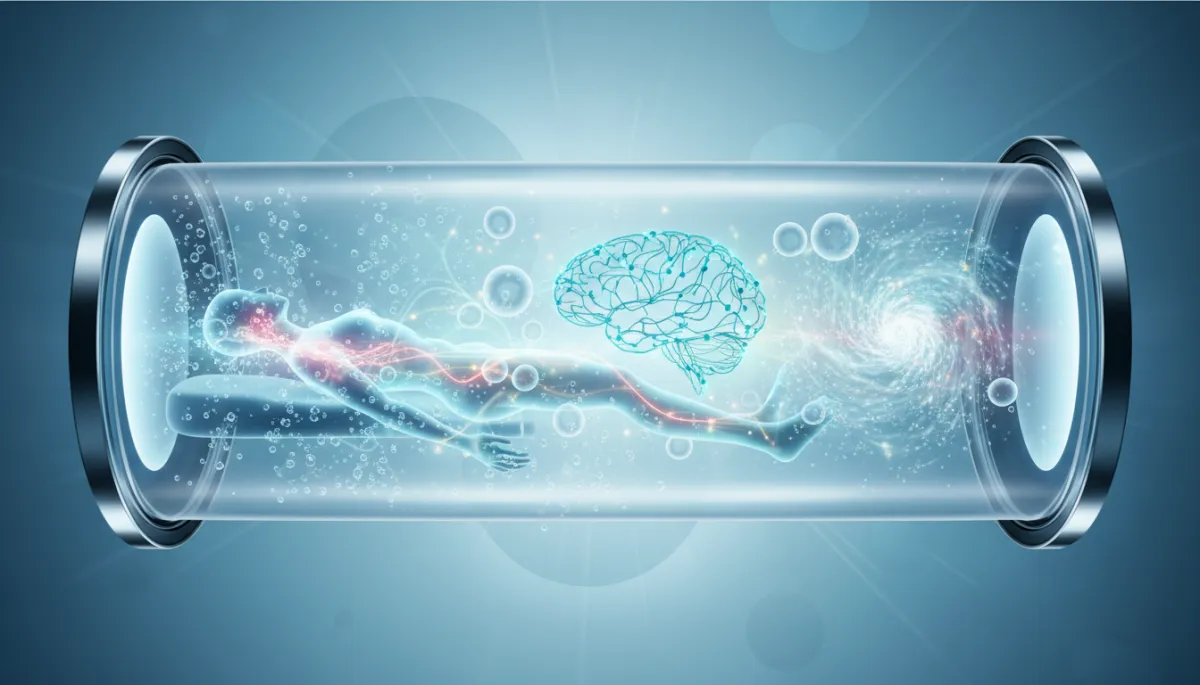
Hyperbaric Oxygen Therapy (HBOT) is emerging as one of the most intriguing tools in modern healing. By breathing pure oxygen in a pressurized chamber, people are discovering new ways to accelerate recovery, reduce inflammation, and even support the brain’s ability to rewire itself. This article explores how Hyperbaric Oxygen works, the core HBOT benefits for Cellular Healing, and why so many practitioners now see it as a powerful Oxygen Therapy Recovery option for both body and brain.
What Is Hyperbaric Oxygen Therapy?
Hyperbaric Oxygen Therapy, often shortened to HBOT, involves sitting or lying in a sealed chamber while breathing nearly 100% oxygen at a pressure higher than normal atmospheric pressure. In everyday life, we breathe about 21% oxygen at one atmosphere of pressure. Inside an HBOT chamber, the pressure is increased—typically between 1.3 and 2.4 times normal atmospheric pressure—while the oxygen concentration rises dramatically.
This combination of high oxygen concentration and increased pressure is what makes Hyperbaric Oxygen unique. It changes how much oxygen your blood can carry, how deeply that oxygen penetrates into tissues, and how your cells respond at a metabolic level. These changes are at the heart of HBOT benefits like faster recovery, reduced inflammation, and enhanced Neuroplasticity Therapy for the brain and nervous system.
How Pressurized Oxygen Accelerates Recovery
To understand how Hyperbaric Oxygen accelerates recovery, it helps to picture oxygen as the “fuel” your cells use to create energy. When you exercise, heal from an injury, or fight infection, your cells need more of this fuel. In many conditions—like trauma, surgery, or chronic illness—damaged tissues simply don’t get enough oxygen to repair efficiently. HBOT changes that equation in three powerful ways.
1. Supercharging Oxygen Delivery to Tissues
Under normal conditions, most oxygen in your blood is carried by hemoglobin inside red blood cells. There is a limit to how much oxygen hemoglobin can hold. In a hyperbaric chamber, however, the increased pressure forces far more oxygen to dissolve directly into the liquid portion of your blood—the plasma. This means your bloodstream can carry oxygen not only in red blood cells but also dissolved in the fluid that bathes every cell in your body.
With Hyperbaric Oxygen, oxygen-rich plasma can reach areas where blood flow is reduced or where red blood cells have difficulty passing through, such as swollen, injured, or inflamed tissues. This deep penetration of oxygen is a key reason HBOT is used to support recovery from sports injuries, post-surgical wounds, radiation damage, and slow-healing ulcers. The result is an Oxygen Therapy Recovery environment in which cells finally have the raw material they need to rebuild and repair at a faster pace.
2. Boosting Cellular Energy and Repair Mechanisms
Your cells produce energy in tiny structures called mitochondria. Oxygen is the final ingredient in the chain of reactions that generate ATP, the molecule your body uses for energy. When oxygen is limited, ATP production slows, and healing stalls. Hyperbaric Oxygen floods the system with oxygen, allowing mitochondria to generate more ATP. This extra energy fuels Cellular Healing processes: building new tissue, regenerating blood vessels, and clearing out damaged components inside cells.
In addition, HBOT appears to influence the expression of genes involved in growth, repair, and antioxidant defenses. Studies show that repeated sessions can upregulate growth factors and stem cell activity, both of which are crucial for tissue regeneration. In other words, pressurized oxygen doesn’t just give cells more fuel—it also nudges them into a more active, healing-focused state, amplifying recovery from injuries and surgeries.
3. Supporting New Blood Vessel Growth (Angiogenesis)
Long-term healing often depends on improving circulation. Tissues starved of blood flow struggle to receive nutrients and oxygen. Hyperbaric Oxygen has been shown to stimulate angiogenesis, the growth of new capillaries and small blood vessels. By repeatedly exposing tissues to high oxygen levels, HBOT encourages the body to lay down new vascular networks, improving circulation long after the session ends. This is one of the reasons HBOT benefits are often described as both immediate (more oxygen today) and cumulative (better blood flow over time).
💡 Pro Tip: For recovery from surgery, sports injuries, or chronic wounds, many practitioners recommend a series of Hyperbaric Oxygen sessions rather than a single visit, allowing these cumulative Cellular Healing effects to build.
How Hyperbaric Oxygen Helps Reduce Inflammation
Inflammation is part of the body’s natural defense system, but when it becomes chronic, it can drive pain, fatigue, and long-term damage. One of the most compelling reasons people turn to Hyperbaric Oxygen is its potential to Reduce Inflammation in both acute injuries and ongoing conditions. HBOT influences inflammation on several levels—from blood flow and immune cells to oxidative stress and signaling molecules.
Calming Swelling and Improving Microcirculation
When tissue is injured, blood vessels become leaky, and fluid seeps into the surrounding area, causing swelling. Swollen tissue can pinch small blood vessels and nerves, worsening pain and restricting oxygen delivery. Hyperbaric Oxygen can help break this cycle. The increased oxygen content in the blood encourages constriction of certain blood vessels without compromising oxygen delivery, because the oxygen level is so high. This gentle vasoconstriction can reduce fluid leakage, easing swelling and pressure in tissues.
At the same time, improved microcirculation means that white blood cells and healing factors can reach the site of injury more effectively. Better circulation plus less swelling equals a more efficient, less inflamed healing environment—one of the most sought-after HBOT benefits for athletes, post-operative patients, and individuals managing chronic inflammatory conditions.
Modulating the Immune Response
Inflammation is driven by immune cells and the chemical signals they release. Hyperbaric Oxygen appears to influence this immune activity in a balancing way. Research suggests HBOT can reduce the production of certain pro-inflammatory cytokines—chemical messengers that promote inflammation—while supporting anti-inflammatory pathways. This doesn’t “turn off” the immune system; instead, it helps steer it away from an overactive, damaging response and toward a controlled, healing-focused one.
People using HBOT for conditions like chronic pain, autoimmune-related inflammation, or lingering post-infection symptoms often report that sessions help take the “edge” off their inflammatory flares. While individual experiences vary, the underlying mechanisms—better oxygenation, improved circulation, and immune modulation—provide a clear rationale for using Hyperbaric Oxygen as part of a broader strategy to Reduce Inflammation naturally.
Balancing Oxidative Stress and Antioxidant Defenses
Because Hyperbaric Oxygen involves high oxygen levels, people sometimes worry about oxidative stress—damage caused by reactive oxygen species. Interestingly, when used appropriately and in therapeutic doses, HBOT can stimulate the body’s own antioxidant systems. Repeated controlled exposure to higher oxygen levels appears to “train” cells to upregulate antioxidant enzymes, helping them better manage oxidative stress over time. This adaptive response may be part of why HBOT benefits extend beyond the session itself, supporting long-term Cellular Healing and resilience.
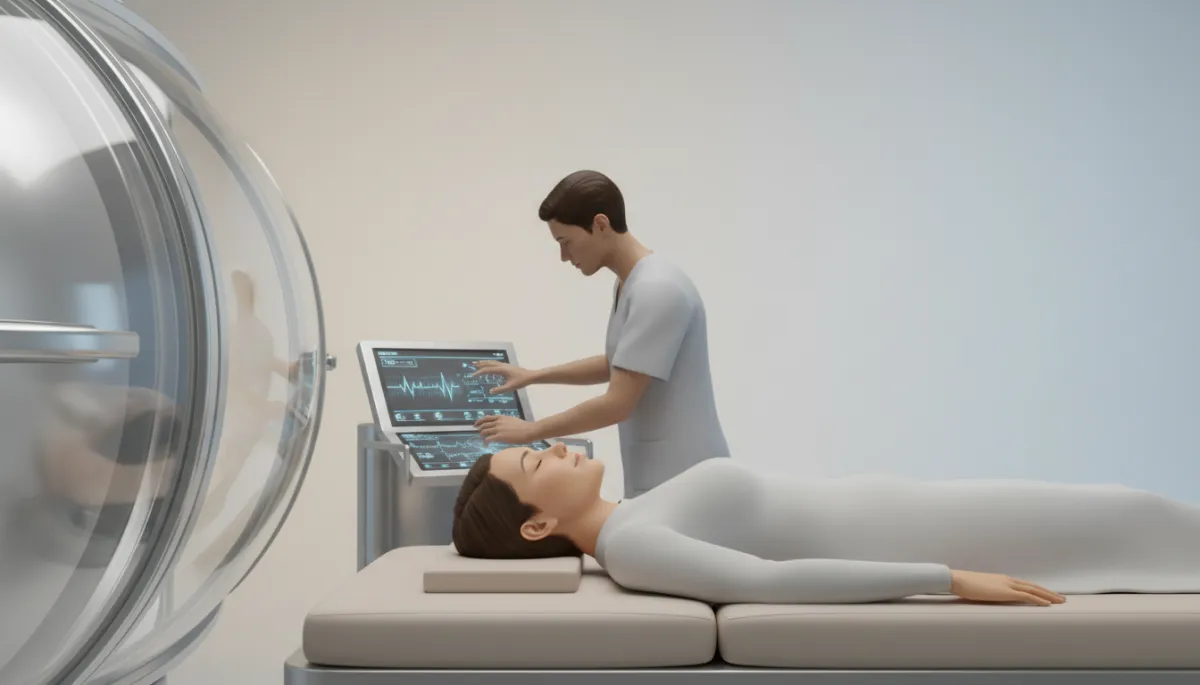
Consistent HBOT sessions can gradually calm inflammation while supporting deeper tissue repair.
Hyperbaric Oxygen and Neuroplasticity: Helping the Brain Rewire and Recover
One of the most exciting frontiers in Hyperbaric Oxygen research is its impact on the brain. Neuroplasticity—the brain’s ability to reorganize itself, form new connections, and adapt after injury—underpins recovery from strokes, concussions, and other neurological challenges. Neuroplasticity Therapy aims to harness this capacity, and HBOT is increasingly being used as a supportive tool in that process.
Reawakening “Silent” Brain Tissue
After a brain injury, some regions may not be completely dead, but they function poorly because they are starved of oxygen and blood flow. These areas, sometimes called “idling” or “penumbra” tissue, may hold untapped potential for recovery. Hyperbaric Oxygen can increase oxygen delivery to these vulnerable regions, helping neurons regain activity and participate in new neural circuits. This is one way HBOT supports Neuroplasticity Therapy: by creating an energetic environment where the brain can form and strengthen new connections.
Supporting Growth Factors and Stem Cells in the Brain
Neuroplasticity depends on more than just oxygen; it requires growth factors, supportive cells, and a healthy environment for neurons to communicate. Studies indicate that Hyperbaric Oxygen can increase the availability of certain growth factors that promote neuron survival and the formation of new synapses. HBOT also appears to mobilize stem cells from the bone marrow and support their migration to areas of injury, including the brain. These stem cells can contribute to repair processes and help rebuild damaged neural networks over time.
When combined with targeted Neuroplasticity Therapy—such as physical therapy, occupational therapy, speech therapy, or cognitive training—HBOT may provide the brain with the oxygen and Cellular Healing support it needs to respond more effectively to rehabilitation. In practice, this can mean better gains in function, clarity, or coordination than therapy alone for some individuals.
Reducing Neuroinflammation and Protecting Neurons
The brain is particularly vulnerable to inflammation. After a concussion, stroke, or infection, neuroinflammation can linger, contributing to symptoms like brain fog, headaches, mood changes, and cognitive difficulties. Hyperbaric Oxygen may help Reduce Inflammation in the brain by improving oxygenation, stabilizing the blood–brain barrier, and modulating immune activity within the nervous system.
Better oxygen delivery also supports the brain’s natural detoxification and repair processes, helping neurons clear metabolic waste and maintain healthy communication. Over time, people using HBOT as part of a Neuroplasticity Therapy plan may notice improved focus, energy, and mental resilience—signs that the brain environment is becoming more supportive of healing and adaptation.
📌 Key Takeaway: Hyperbaric Oxygen does not replace rehabilitation therapies for the brain, but it can act like high-quality “soil and sunlight,” giving neurons the conditions they need to grow new connections more effectively.
Conditions That May Benefit from HBOT
Hyperbaric Oxygen is a medical therapy, and its use should be guided by qualified professionals. In hospital settings, HBOT is well-established for conditions such as decompression sickness, carbon monoxide poisoning, radiation injury, and certain non-healing wounds. Beyond these, many clinics and integrative practices are exploring HBOT benefits for a broader range of health challenges, including:
Sports injuries and post-surgical recovery, where faster Oxygen Therapy Recovery can shorten downtime and support better outcomes
Traumatic brain injury, concussion, and stroke, where Neuroplasticity Therapy is critical for regaining function
Chronic inflammatory and pain conditions, where efforts to Reduce Inflammation can improve quality of life
Diabetic or radiation-related wounds, where improved Cellular Healing and angiogenesis are essential
It is important to note that while research is promising in many of these areas, not all uses of HBOT are yet considered standard of care. If you are exploring Hyperbaric Oxygen for a specific condition, work with practitioners who understand both the evidence base and the safety considerations for your individual health status.
What to Expect in a Hyperbaric Oxygen Session
For many people, the idea of entering a pressurized chamber can feel unfamiliar. Understanding the process can make the experience more comfortable and help you decide whether Oxygen Therapy Recovery with HBOT is right for you.
Inside the Chamber
Sessions typically last between 60 and 90 minutes. You may sit in a multi-person chamber or lie down in a single-person chamber that resembles a clear, comfortable capsule. As the chamber pressurizes, you’ll feel a sensation in your ears similar to taking off in an airplane. Staff will guide you through gentle techniques, such as swallowing or yawning, to equalize the pressure and keep you comfortable.
Once the target pressure is reached, you simply relax and breathe. Many people read, meditate, or rest during their Hyperbaric Oxygen session. At the end, the chamber is slowly depressurized, again with support to help your ears adjust. Most individuals can resume normal activities shortly afterward, making HBOT a convenient addition to a broader healing plan.
Frequency and Treatment Plans
HBOT is usually delivered as a series of sessions rather than a one-time treatment. For acute injuries or post-surgical support, a shorter, more intensive series may be used. For chronic conditions or Neuroplasticity Therapy, treatment plans often span weeks or months, with multiple sessions per week. Your provider will tailor the pressure level, session length, and total number of treatments to your specific goals and medical picture.
⚠️ Safety Note: Hyperbaric Oxygen is generally well-tolerated but not appropriate for everyone. Lung conditions, certain ear problems, or untreated pneumothorax are examples of situations where HBOT may be unsafe. Always consult a qualified healthcare professional before beginning therapy.
Integrating Hyperbaric Oxygen into a Holistic Healing Plan
Hyperbaric Oxygen is not a magic bullet, but it can be a powerful catalyst when combined with other evidence-informed approaches. Think of HBOT as a way to create an optimal internal environment for your body’s natural healing intelligence to work. To make the most of Oxygen Therapy Recovery, consider pairing sessions with:
Nutritious, anti-inflammatory foods that provide the building blocks your cells need for repair
Gentle movement or physical therapy to guide tissues and joints into healthier patterns as they heal
Sleep and stress-management practices, which are essential for both Cellular Healing and Neuroplasticity
Targeted rehabilitation therapies—such as cognitive training, speech therapy, or occupational therapy—if you are using Hyperbaric Oxygen as part of a Neuroplasticity Therapy program
By aligning these supportive practices with your HBOT sessions, you create a synergy: pressurized oxygen accelerates recovery and reduces inflammation internally, while lifestyle and therapeutic choices guide that healing toward the functions and activities that matter most to you.
Final Thoughts: Is Hyperbaric Oxygen Right for You?
Hyperbaric Oxygen offers a rare combination: it is grounded in basic physiology—oxygen and pressure—yet its effects on recovery, inflammation, and brain function can feel remarkable. By increasing oxygen delivery, supporting Cellular Healing, and helping Reduce Inflammation, HBOT benefits extend from the surface of the skin to the deepest structures of the brain. For those engaged in Neuroplasticity Therapy, pressurized oxygen can provide a nourishing backdrop against which new neural pathways are more likely to take root and flourish.
If you are exploring options to support healing—whether from injury, surgery, chronic inflammation, or neurological challenges—Hyperbaric Oxygen may be worth a thoughtful conversation with your healthcare team. Ask about the potential benefits and risks for your specific situation, the type of chamber and protocols used, and how HBOT could be integrated into a comprehensive plan that honors both science and your own healing journey.
Ultimately, HBOT is one more way to partner with your body’s innate capacity to repair and adapt. With the right guidance, Oxygen Therapy Recovery can become a powerful ally in your pursuit of health, resilience, and a more vibrant life.