Optimize Your Health with the Phuket Performance Diet
Nutrition, Phuket Diet, Superfoods Thailand, Clean Protein, Healthy Eating
Eating for Optimization: The Phuket Performance Diet
Phuket is no longer just a beach escape; it is fast becoming a hub for wellness, performance, and smart Nutrition. The Phuket Diet is not a fad meal plan, but a way of eating built around nutrient-dense food, local superfoods, and clean protein that help you feel lighter, stronger, and more focused—whether you are surfing at Kata, training in a Muay Thai camp, or working remotely from a café in Rawai.
What Is the Phuket Performance Diet?
The Phuket Performance Diet is a practical, food-first approach to healthy eating in southern Thailand. It is built on four pillars:
Nutrient-dense food sourced from local markets, farms, and the sea around Phuket.
Strategic use of Superfoods Thailand is famous for—from Wolffia to aromatic coconut and Thai herbs.
Abundant clean protein, both from whole foods and carefully chosen supplements, to support training and recovery.
A balance of traditional Thai dishes and modern wellness food that fits real life—beach days, training camps, and long work sessions alike.
Instead of counting every calorie, this version of the Phuket Diet asks a simpler question: “Is this bite moving me toward energy, focus, and long-term health?” When you focus on quality and local sourcing, the answer is often yes.
Fuel Your Performance: Watch Our Phuket Performance Diet Video
This article has explored the revolutionary principles of the Phuket Performance Diet, revealing how environment-specific nutrition can engineer your biology for peak health and longevity. To visually understand how to bypass outdated dietary advice and leverage nutrient-dense, locally sourced superfoods to fuel unbreakable resilience, we invite you to watch our in-depth video investigation.
Sourcing High-Quality, Nutrient-Dense Food in Thailand
Thailand—and Phuket in particular—makes it surprisingly easy to eat nutrient dense, if you know where to look and what to ask for. The key is to think in three layers: markets, farm-to-table venues, and modern wellness cafés.
1. Local Markets: Your Daily Nutrition Base
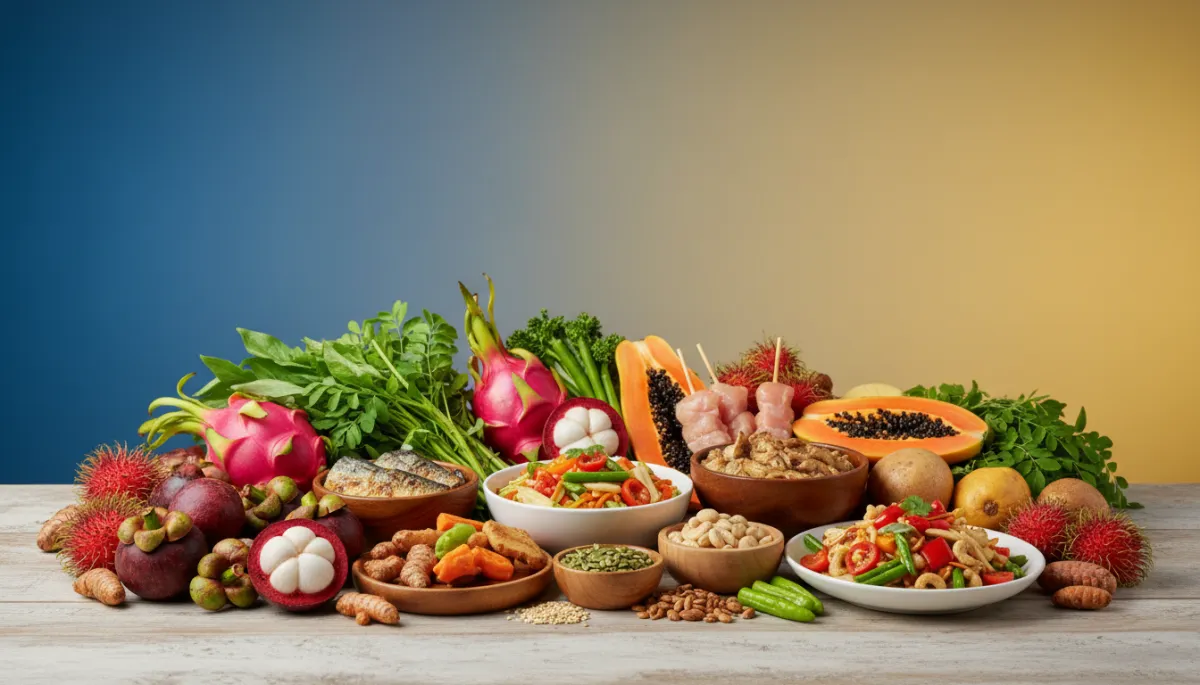
Fresh markets around Phuket—such as Banzaan in Patong, Phuket Town Market, and smaller neighborhood stalls—are the heart of a truly nutrient-dense Phuket Diet. Here you will find:
Dark leafy greens like swamp cabbage, Chinese cabbage, and pumpkin leaves, all rich in vitamin A and C according to FAO data on Thai produce. These support immunity, skin health, and vision.
Tropical fruits such as mango, ripe papaya, guava, starfruit, banana, and pomelo—naturally sweet sources of fiber, antioxidants, and electrolytes that beat processed desserts any day.
Fresh fish and shellfish caught nearby, offering omega‑3 fats and high-quality protein with minimal processing.
💡 Pro Tip: Visit markets early in the morning when produce is freshest and fish has just arrived. Ask vendors which items are “organic” or “no chemicals” (often marked with small signs or mentioned verbally).
2. Farm-to-Table and Organic Resorts: Performance-Ready Plates
Several wellness resorts in Phuket have quietly become leaders in nutrient-dense cooking. Mangosteen Ayurveda & Wellness Resort, for example, sources certified organic vegetables and fruits from nearby suppliers and its own farm, established in 2025, to deliver fresher, higher-nutrient meals. Rosewood Phuket collaborates with local producers for spirulina, organic vegetables, free-range eggs, honey, bee pollen, and kefir, weaving these ingredients into breakfast and spa menus.
Even if you are not staying at these properties, you can often book a meal or day pass and use their menus as a blueprint for your own healthy eating routine: colorful salads, grilled fish, fermented foods, and low-sugar drinks built around herbs and citrus.
3. Modern Superfood Cafés and Smoothie Bars
Phuket’s wellness scene has exploded with smoothie bars and superfood cafés that make it easy to upgrade your Nutrition on the go. At Bangtao Smoothie Bar, for instance, you will find plant-based blends using organic pea, hemp, pumpkin, and brown rice protein, plus superfruit powders like sea buckthorn and acerola cherry. These drinks deliver complete amino acids, vitamin C, iron, omega fatty acids, and even probiotics from water kefir in one glass.
Fruit Fusion Superfood Cafe in Kamala offers smoothie bowls, cold-pressed juices, vegan energy balls, and superfood-based meals for vegetarian, vegan and gluten-free diets. Use these spots as your “nutrient pit stop” between training sessions or island-hopping days.
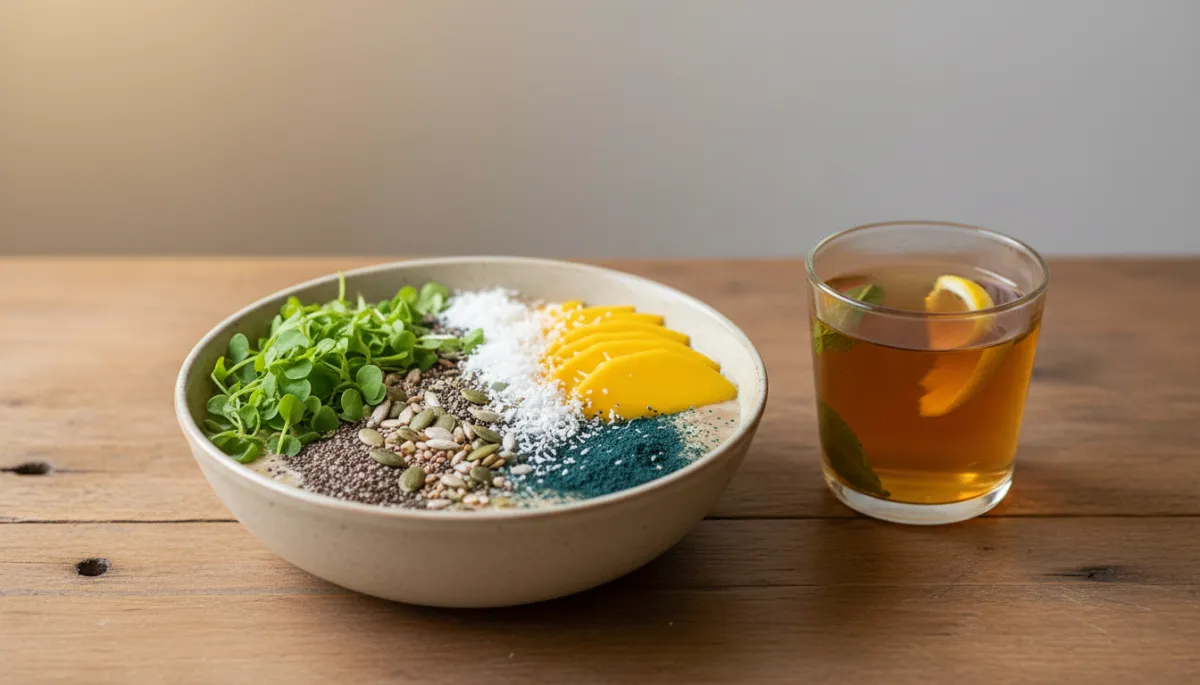
Superfood cafés in Phuket blend local greens, fruit, and clean proteins into performance-ready bowls.
Local Superfoods: Thailand’s Natural Performance Enhancers
Superfoods are most powerful when they are local, fresh, and part of daily life—not imported powders you use once and forget. Thailand’s 2026 superfood landscape is rich with ingredients that fit perfectly into a Phuket Diet focused on optimization and vibrant health.
Wolffia (Khai Pham): The Tiny Powerhouse
Wolffia, known locally as khai pham or watermeal, is gaining recognition as a “world superfood.” It is a tiny aquatic plant that requires minimal land and water yet provides exceptionally high-quality protein, antioxidants, and essential vitamins and minerals—including A, C, E, K, B‑complex, iron, calcium, and zinc. Thai media and trade events such as Fi Asia have highlighted Wolffia as a sustainable, nutrient-dense ingredient with huge potential in Asia-Pacific.
In Phuket, you may find Wolffia blended into emerald-green lattes, mixed into omelets, or added to smoothies at progressive wellness cafés. For vegans and vegetarians, it offers a local, plant-based protein that rivals imported powders—perfect for a performance-focused Nutrition plan.
Aromatic Coconut and Avocado: Smart Fats for Focus and Satiety
Aromatic coconut, a Geographical Indication (GI) product in Thailand, is increasingly recognized as a superfood. Its naturally sweet water and rich meat contain electrolytes, healthy fats, and antioxidants. Adding fresh coconut to your Phuket Diet—whether as coconut water after training or grated coconut on a smoothie bowl—supports hydration and steady energy without refined sugar.
Avocado, another “future crop” promoted in Thailand, brings monounsaturated fats that support heart health and hormone balance. You will see it more often on café menus in Phuket, mashed on sourdough with Thai herbs or blended into smoothies with banana and spinach for a creamy, nutrient-dense breakfast.
Thai Herbs and Functional Greens: Turmeric, Andrographis & Spirulina
Thailand is scaling up organic cultivation of herbs like turmeric and Andrographis paniculata, known for anti-inflammatory and immune-supportive benefits. They appear in curry pastes, herbal teas, and concentrated extracts. In a performance context, these herbs help manage inflammation from intense training and support recovery between sessions.
Spirulina is another star on Phuket wellness menus. It offers high protein, B-vitamins, iron, and antioxidants. Some resorts and cafés serve spirulina-based smoothies or shots; pairing spirulina with citrus juice (like lime or orange) can improve iron absorption and make the taste more enjoyable.
Novel Superfoods: Cricket Protein and Sea Lettuce
Thailand is a leader in innovative protein sources like cricket flour and sea lettuce. Cricket protein offers a concentrated source of amino acids, iron, and B12 with a lower environmental footprint than many traditional livestock. Sea lettuce (Ulva) provides minerals such as iodine and magnesium, plus fiber and antioxidants. While these may not be everyday foods for everyone, they are worth trying in snacks or blended products if you are open to expanding your Superfoods Thailand repertoire.
Clean Protein in Thailand: Building a Strong, Lean Foundation
For anyone following a Phuket Diet aimed at optimization, protein is non‑negotiable. It repairs muscle, supports immune function, and keeps you satisfied between meals. The good news: Thailand in 2026 offers a wide spectrum of clean protein options—from traditional whole foods to carefully regulated plant-based products.
Whole-Food Protein: Your Primary Source
Many Nutrition-conscious locals and expats still rely on simple staples: chicken breast, eggs, and fish. They are cost-effective, widely available, and easy to order in Thai restaurants. When eating out, look for:
Steamed fish dishes such as pla neung manao (steamed fish with lime and herbs). These provide lean protein and omega‑3 fats, with minimal oil and sugar.
Phat kaphrao (stir-fried basil with meat and vegetables), ordered with chicken or seafood and “mai sai nam man mak” (less oil) and “mai sai prik nam pla” (no sugary fish sauce on the side) to keep it cleaner.
O‑Tao, a Phuket specialty oyster omelet with taro and bean sprouts. While it can be rich, it offers a mix of seafood protein, minerals, and energy—best enjoyed occasionally, balanced with lighter meals.
Plant-Based and Powdered Clean Protein Options
Thailand’s regulatory environment is evolving to support “future food” and alternative proteins. Draft regulations for plant-based products require at least 90% plant-sourced content and adherence to Good Agricultural Practice and Good Manufacturing Practice, helping ensure that plant-based protein products on the shelves are safer and more transparent about their ingredients.
In Phuket’s supermarkets and online platforms, you will find a range of clean-label powders and drinks, including:
Local plant-based blends such as Nutrilite All Plant Protein, Plantae Complete Plant Protein, and other Thai brands that use pea, soy, rice, and other legumes. Many are sweetened with stevia and avoid artificial colors.
Imported options like Optimum Nutrition whey and PlantFusion clear vegan protein, praised in online communities for predictable quality, though often at a higher price point.
Ready-to-drink clear proteins such as Vitaday High Protein pea-based beverages, which provide over 30 grams of protein per bottle in a lighter, fruit-style drink—ideal for hot Phuket days when a creamy shake feels too heavy.
💡 Pro Tip: Use powders and ready-to-drink products as a backup, not a crutch. Aim to get at least half of your daily protein from whole foods—fish, eggs, chicken, tofu, tempeh, beans, and Wolffia—then top up with a scoop of clean protein when training or travel demand it.
Traditional Thai Dishes Reimagined for Healthy Eating
You do not have to give up Thai flavor to follow a performance-focused Phuket Diet. Many classic dishes are already nutrient-dense; they just need small tweaks to align with your goals of clean protein, lower sugar, and higher vegetable intake.
Som tam (green papaya salad) – Rich in enzymes, fiber, and vitamins. Ask for “mai sai nam tan” (no sugar) and “mai sai pla ra” (no fermented fish, if your stomach is sensitive) to keep it light and fresh. Pair with grilled chicken or fish for a complete meal.
Yam so‑mo (pomelo salad) – Pomelo is loaded with vitamin C and antioxidants. Ask for more herbs and nuts, less fried topping, and moderate dressing to keep it nutrient-dense without excess calories.
Tom yam soup with mushrooms and shrimp or fish – A low-calorie, high-flavor option. Mushrooms add anti-inflammatory compounds and fiber, while the broth delivers herbs, spices, and electrolytes. Ask for less evaporated milk or coconut cream if you prefer a lighter version.
Pad pak (garlic stir-fried mixed vegetables) – A simple way to load up on fiber and micronutrients. Request “nam man nid diao” (little oil) and pair with grilled tofu, tempeh, or fish for a balanced plate.
Building Your Daily Phuket Performance Diet
To turn theory into practice, it helps to see how all of this fits into a day of eating. Here is a simple template you can adapt, whether you are a fighter, yogi, digital nomad, or simply someone who wants better Nutrition while enjoying Phuket.
Morning: Hydrate, Then Load the Greens and Protein
Start with water and, if available, fresh aromatic coconut water for electrolytes after a sweaty night in the tropics.
Breakfast could be a smoothie bowl from a local café: blended banana, spinach, Wolffia, and spirulina, topped with mango, pumpkin seeds, and a scoop of pea or hemp protein for extra staying power.
Midday: Colorful Plate, Clean Protein
Choose a local restaurant and order steamed fish with lime and herbs, plus som tam and a side of pad pak. You will get lean protein, healthy fats, and a rainbow of vegetables and fruit in one sitting.
Skip sugary sodas and opt for herbal tea, lime soda with minimal syrup, or water infused with lemongrass and ginger.
Afternoon: Smart Snacks and Functional Drinks
If hunger hits, reach for a handful of local nuts, a piece of fruit like guava or starfruit, or a small portion of yogurt or kefir with bee pollen from a wellness-focused café.
On heavy training days, consider a ready-to-drink clear protein such as a pea-based beverage, or mix a scoop of plant protein into iced herbal tea or water for a light, refreshing shake.
Evening: Light, Restorative, Herb-Rich
Aim for a lighter dinner: tom yam with mushrooms and seafood, a small portion of jasmine or brown rice, and a side of stir-fried mixed vegetables with Thai basil and garlic.
Finish with herbal tea—ginger, lemongrass, or turmeric—to support digestion and recovery overnight.
Final Thoughts: Making the Phuket Diet Your Own
Eating for optimization in Phuket is less about perfection and more about consistent choices: choosing steamed fish over deep-fried, asking for less sugar in your som tam, swapping a sugary cocktail for aromatic coconut water, or adding Wolffia and spirulina to your morning smoothie instead of processed cereal. When you build your days around nutrient-dense food, local superfoods, and clean protein, you naturally move toward a way of eating that supports performance, longevity, and enjoyment.
The Phuket Performance Diet is not a rigid rulebook. It is a flexible framework that invites you to explore markets, talk to vendors, try new herbs, and discover how Thailand’s rich food culture can elevate your Nutrition. With each meal, you have the chance to turn paradise into your personal performance lab—one plate at a time.